
Integrating Sustainable, Resilient Design into Your Construction Process
The construction industry is evolving, and with it, the demand for sustainable, resilient buildings is growing. Incorporating these principles not only benefits the environment but also provides long-term cost savings and increases property value. With more severe weather systems occurring more frequently, having a more resilient building that can stay comfortable for longer, and use less power overall, is becoming a must for buildings.
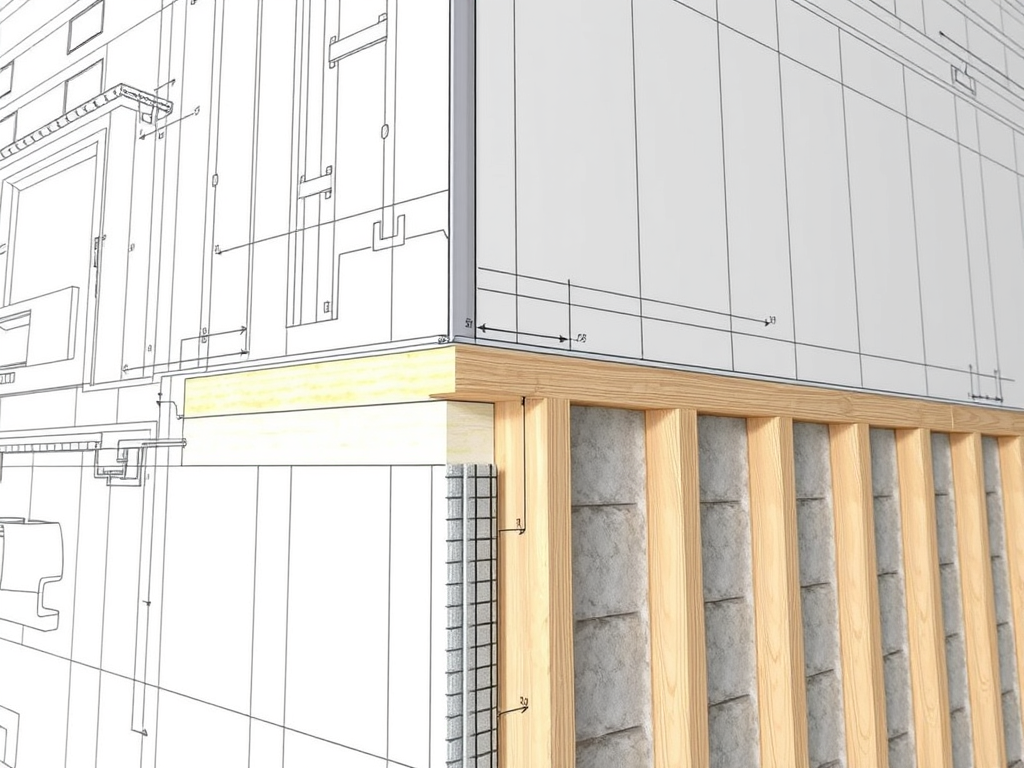
Here’s a step-by-step guide to integrating sustainable resilient design into your construction process:
1. Define Your Goals & Objectives:
- Identify sustainability targets: What level of sustainability are you aiming for? Consider options like Net Zero Energy, Passive House certification, or LEED certification, use of natural materials, low embodied carbon.
- Assess resilience needs: Analyze potential risks related to climate change, like extreme weather events, and how your building can withstand them.
- Set measurable goals: Define specific, quantifiable targets related to energy consumption, water usage, material sourcing, and building durability.
2. Explore Sustainable Design Techniques:
- Net Zero Energy Calculations: These calculations focus on minimizing energy consumption through efficient design and incorporating renewable energy sources like solar panels.
- Passive House Certification: This rigorous standard prioritizes energy efficiency through superior insulation, airtight construction, and optimized ventilation.
- Zero Embodied Carbon (CaGBC): Focus on reducing the carbon footprint associated with the materials used in construction, from extraction and manufacturing to transportation and end-of-life disposal.
- LEED Certification: A widely recognized green building rating system that assesses a building’s performance across various categories, including energy, water, materials, and indoor environmental quality.
- Traditional Natural Material Methods: Explore the use of locally sourced, renewable, and low-impact materials like timber, bamboo, and earth-based building techniques.
3. Implement Sustainable Practices Throughout the Construction Process:
- Planning & Design: Integrate sustainable design principles from the outset. This includes site selection, building orientation, and optimizing natural light and ventilation.
- Material Selection: Choose materials with low embodied carbon, recycled content, and durability. Prioritize locally sourced options to minimize transportation impacts.
- Construction Phase: Implement waste management strategies to reduce construction waste and promote recycling. Employ water conservation techniques and minimize energy consumption during construction.
- Operation & Maintenance: Design for ease of maintenance and incorporate systems for monitoring energy and water usage to ensure ongoing performance.
4. Collaborate with Experts:
- Engage with architects and engineers: Seek professionals experienced in sustainable and resilient design practices.
- Consult with certification specialists: Work with professionals who can guide you through the certification process for LEED, Passive House, or other relevant standards.
5. Measure and Monitor Performance:
- Track energy and water usage: Implement systems to monitor consumption and identify areas for improvement.
- Conduct regular building inspections: Assess the building’s resilience and identify potential vulnerabilities.
- Share your success stories: Publicize your achievements to inspire others and contribute to the growing movement towards sustainable, resilient construction.
By embracing sustainable resilient design, you can contribute to a healthier planet, create more comfortable and durable buildings, and enhance the long-term value of your projects. It’s an investment in a better future for everyone.
 CRW ARCHITECTS INC.